
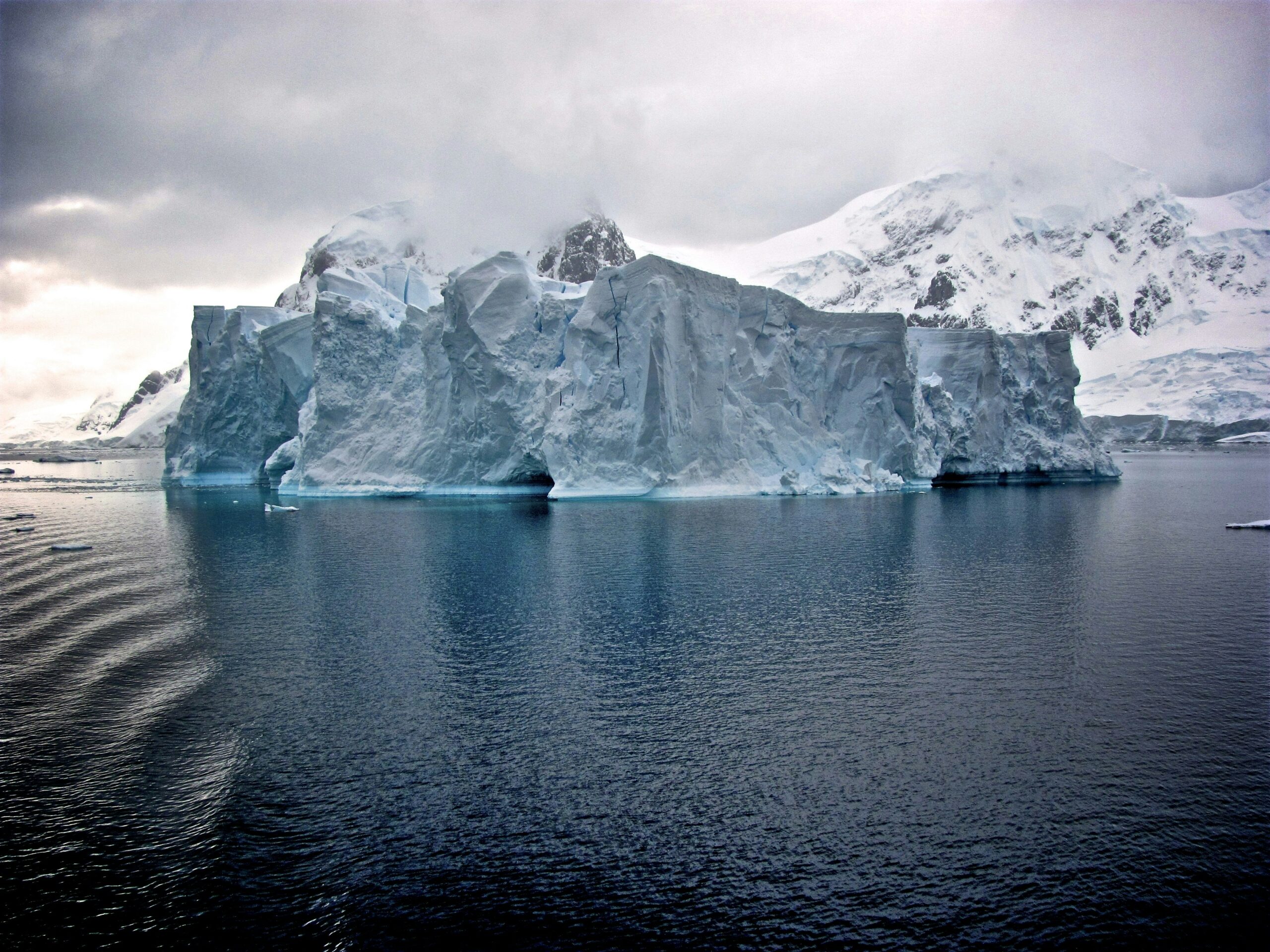

Antarctica cruises offer a unique journey to the world’s most remote continent. You’ll witness massive icebergs, encounter penguins and seals, and explore pristine wilderness through guided shore landings and Zodiac boat excursions.
The best time to cruise to Antarctica is from mid-December through mid-February. January is the optimal month for wildlife viewing and milder weather conditions. Most Antarctic cruises are all-inclusive experiences lasting 10-20 days. Costs typically range from $8,000 to $25,000 per person, depending on your cabin type and cruise line.
Planning your Antarctic adventure involves several key decisions. You’ll select departure points like Ushuaia, Argentina, or Punta Arenas, Chile, and choose between traditional Drake Passage crossings or fly-cruise options that skip the potentially rough seas.
You should book your Antarctica cruise 12-18 months in advance, as these expeditions have limited capacity and popular departure dates fill up quickly. Multiple cruise companies operate in Antarctic waters, including expedition specialists like Quark, Hurtigruten, and Lindblad. Each offers different ship sizes and activity levels.
Practical considerations like cabin selection and packing requirements will shape your Antarctic cruise experience. Understanding the strict environmental regulations that govern tourism to this protected continent is also essential.
The journey typically involves crossing the Drake Passage, participating in educational lectures, and making multiple landings where you’ll set foot on Antarctica. Proper preparation ensures you’ll make the most of this once-in-a-lifetime expedition.
Antarctica Cruise Activities and Experiences
Antarctica cruises offer an extraordinary range of activities that bring you face-to-face with the continent’s pristine wilderness. From intimate wildlife encounters during Zodiac landings to educational programs that deepen your understanding of this remote ecosystem, each day presents unique opportunities for exploration and discovery.
Wildlife Viewing on Shore Excursions
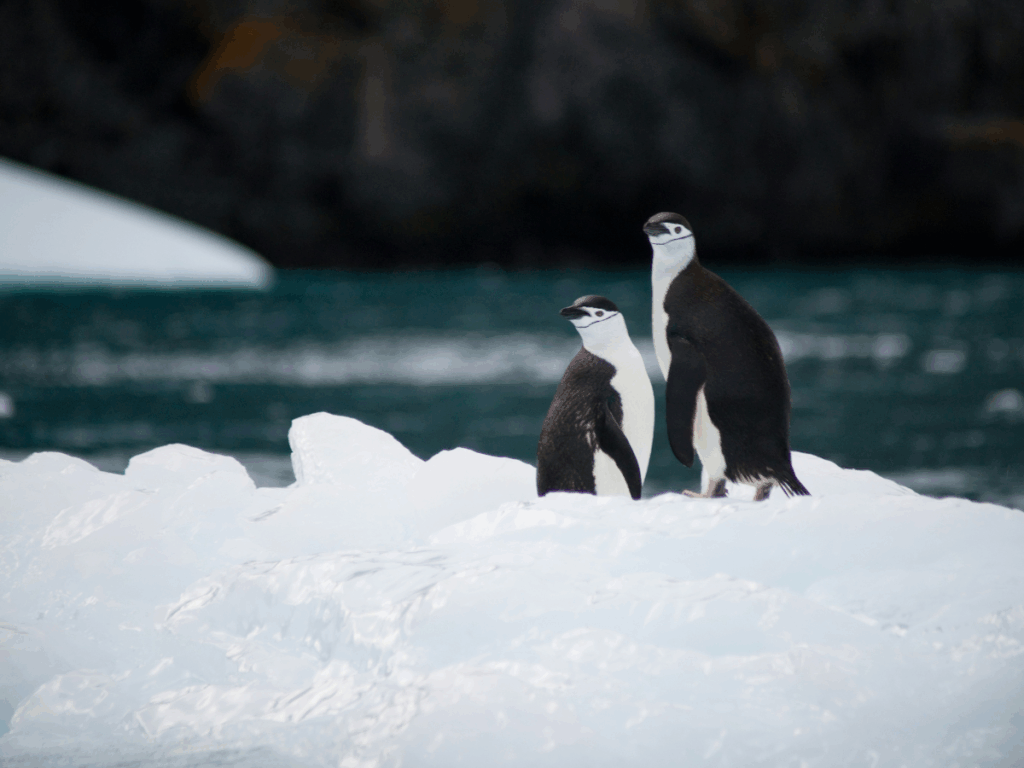
Shore excursions provide the most memorable moments of your cruise to Antarctica. You’ll encounter massive colonies of Adélie, Gentoo, and Chinstrap penguins, often numbering in the thousands.
These guided walks allow you to observe penguin chicks during breeding season and witness their natural behaviors up close. Leopard and elephant seals are familiar sights on beaches throughout the Antarctic Peninsula.
Elephant seals can weigh up to 8,000 pounds, creating impressive spectacles as they rest on rocky shores. Naturalist guides maintain safe viewing distances while explaining each species’ unique characteristics.
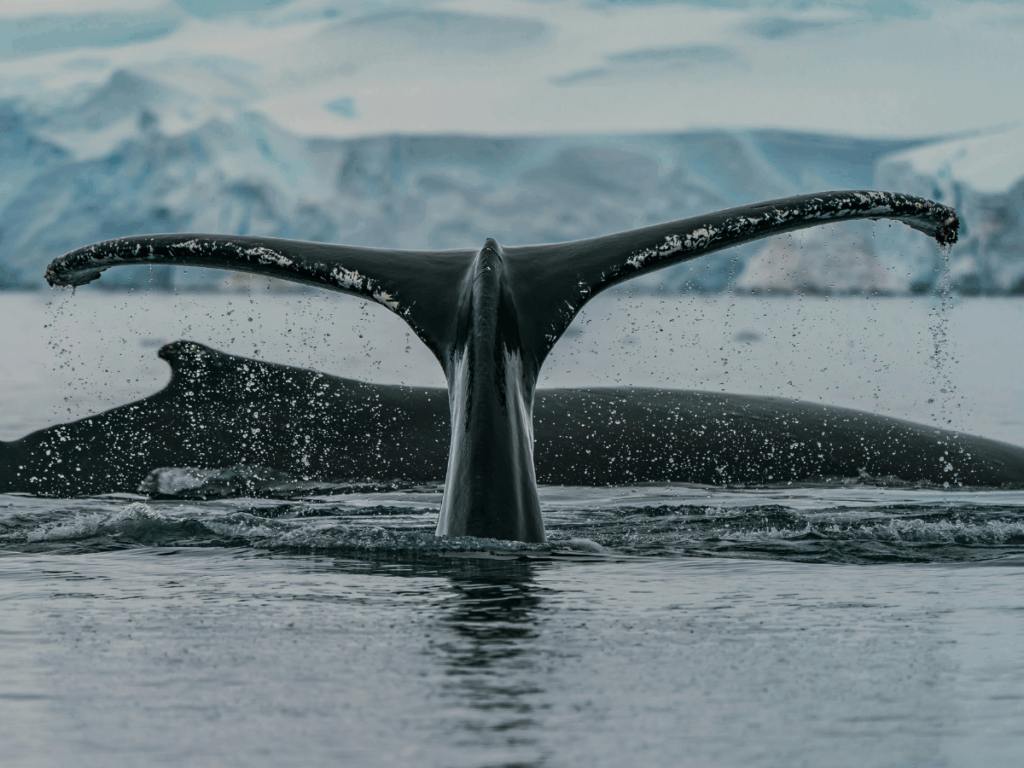
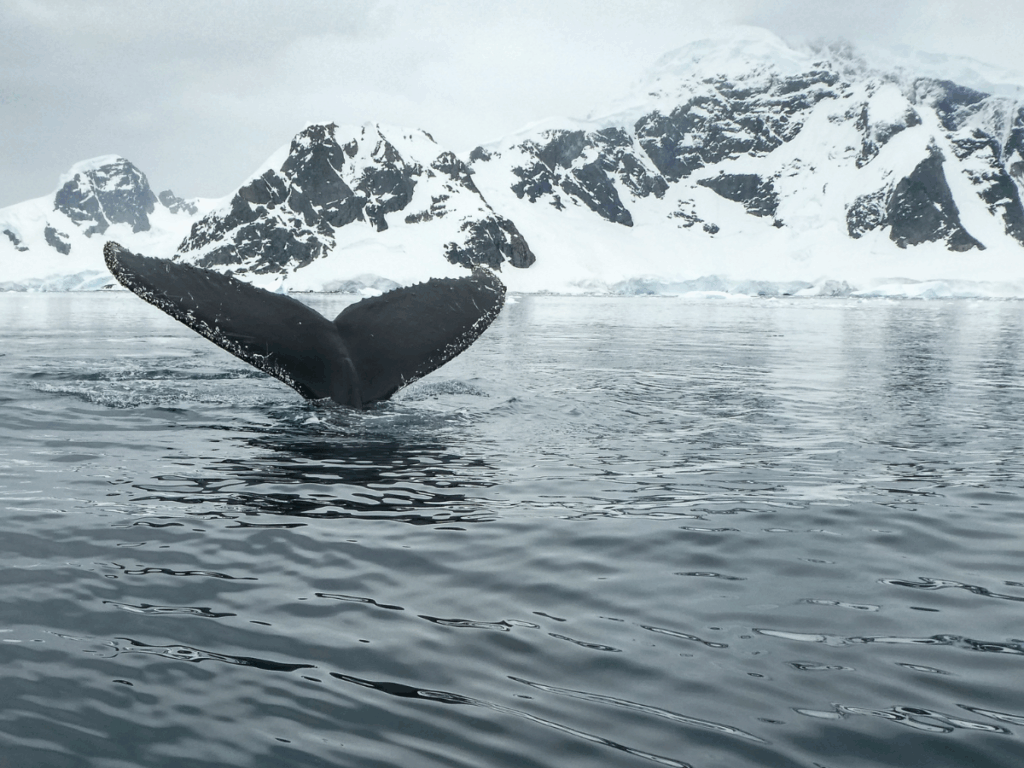
Whale watching opportunities abound during shore excursions. Humpback, minke, and orca whales frequently surface near landing sites.
The best wildlife viewing occurs between December and February when animals are most active. Each landing site offers different species and behaviors.
Some locations feature massive seal rookeries, while others showcase towering penguin colonies against dramatic ice backdrops.
Zodiac Landings and Iceberg Exploration
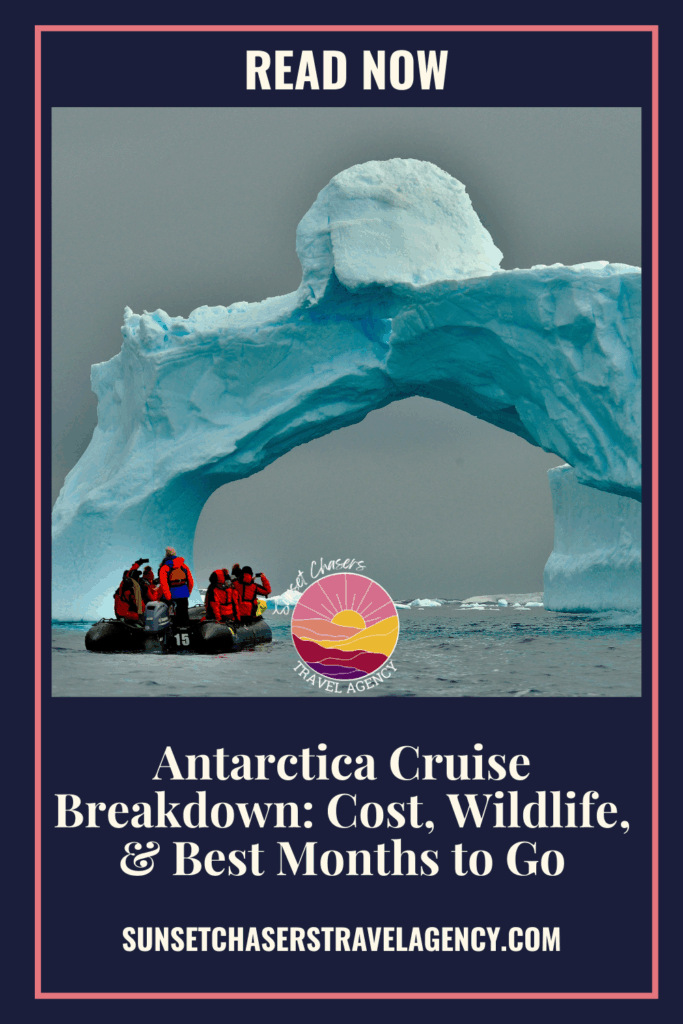
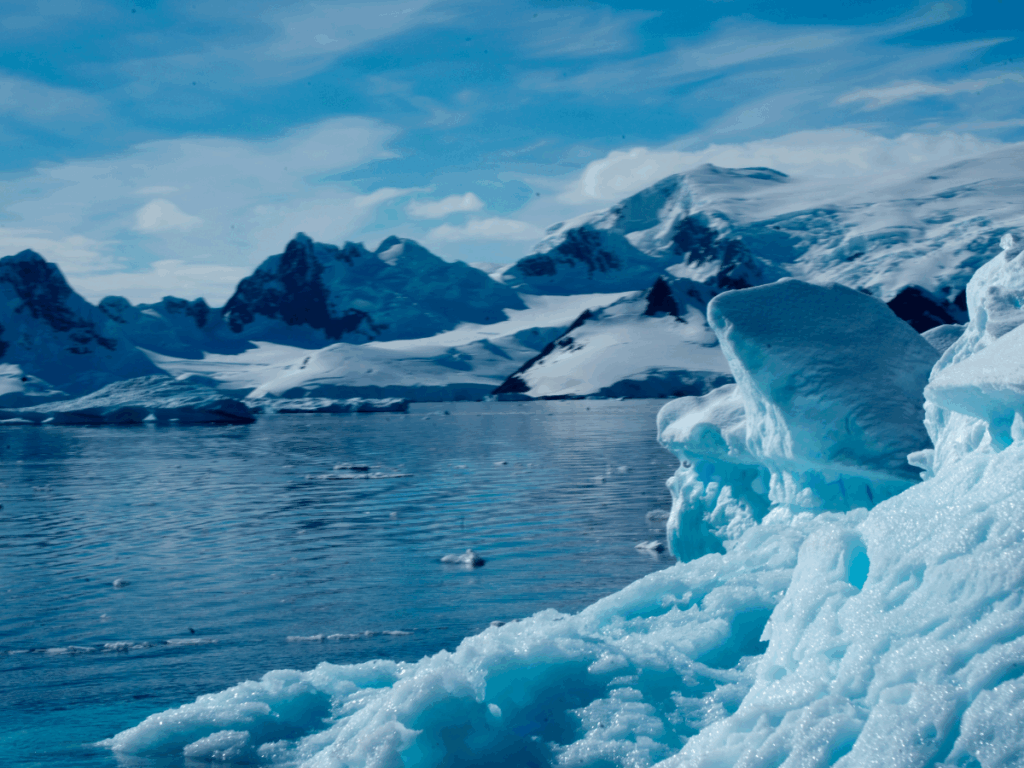
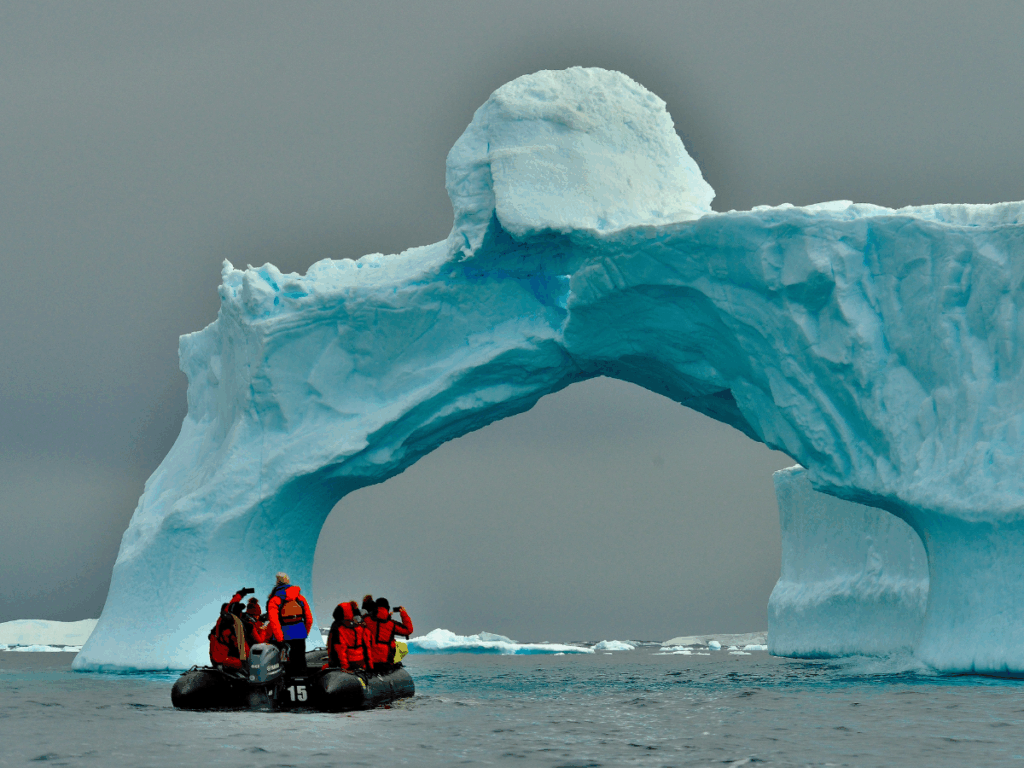
Zodiac boats are your primary transportation for shore landings and close-up iceberg exploration. These inflatable vessels navigate through ice-filled waters, bringing you within arm’s reach of towering icebergs and ice formations.
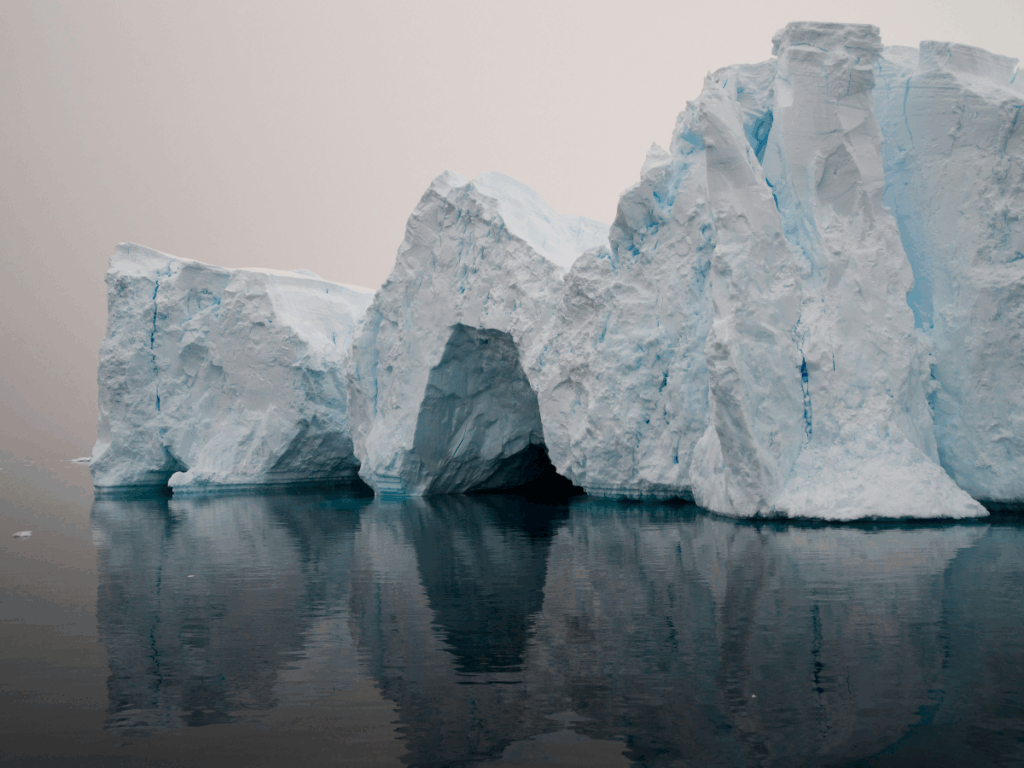
Zodiac cruises often provide the most spectacular photography opportunities of your Antarctica cruise. You’ll weave between ancient icebergs displaying brilliant blues and unique sculptural shapes.
These boat excursions typically last 1-2 hours and operate in small groups of 10-12 passengers. Landing procedures require moderate physical fitness.
You’ll step directly from Zodiac boats onto beaches or rocky shores. Most cruises offer 1-2 Zodiac excursions daily, weather permitting.
The flexibility of Zodiac boats allows access to areas larger ships cannot reach. You’ll explore hidden coves, navigate narrow channels between icebergs, and approach wildlife without disturbing their natural behaviors.
Onboard Education and Lectures
Expert naturalists, marine biologists, and historians provide daily lectures covering Antarctic wildlife, geology, and exploration history. These educational programs enhance your understanding of the ecosystems you’re experiencing firsthand.
Photography workshops help you capture the continent’s stunning landscapes and wildlife. Professional photographers offer technical guidance for shooting in challenging polar conditions and low-light situations.
Evening recap sessions review the day’s wildlife sightings and preview upcoming landing sites. Interactive presentations cover climate science, penguin behavior, and conservation efforts protecting Antarctic environments.
Many cruises feature libraries stocked with Antarctic literature and scientific resources. Documentary screenings showcase the continent’s natural history and famous polar expeditions led by explorers like Shackleton and Amundsen.
Adventure Sports: Kayaking, Camping, and More
Sea kayaking offers the most intimate Antarctica experience available. You’ll paddle silently among icebergs and alongside curious seals in small groups of 8-12 people.
These excursions require booking and a basic paddling experience. Polar camping provides an unforgettable overnight experience on Antarctic ice.
You’ll sleep in specialized polar sleeping bags while listening to the continent’s profound silence. This activity typically costs an additional $200-400 and requires pre-booking.
The famous polar plunge challenges brave passengers to jump into frigid Antarctic waters. Water temperatures hover around 32°F (0°C), making this a thrilling but brief experience.
Mountaineering excursions are available on select cruises, offering guided climbs up accessible peaks on the Antarctic Peninsula. These activities require good physical condition and additional fees ranging from $300 to $600.
Best Time and Season to Cruise to Antarctica
The Antarctic cruise season runs from October through March during the southern hemisphere’s summer months. Each period offers unique wildlife encounters and experiences.
Peak season occurs from December through February when weather conditions are most favorable and wildlife activity reaches its maximum.
Choosing the Best Month for Your Expedition
November begins the primary cruise season when the Antarctic spring is in full swing. You’ll encounter pristine snow landscapes and extensive sea ice formations perfect for photography.
Penguin colonies begin breeding, and elephant seals play dramatic mating battles on South Georgia beaches. Prices tend to be lower during this shoulder season.
December and January represent peak season with the warmest temperatures and nearly 24 hours of daylight. December temperatures average 0.8°C (33.4°F), while January reaches 1.4°C (34.5°F).
These months offer the best combination of stable weather and penguin chick hatching. You might even spot watermelon snow—pink-colored snow caused by algae blooms in warmer conditions.
February and March provide excellent whale watching opportunities as baleen whales feed heavily before migration. Sea ice reaches its minimum extent, potentially allowing voyages beyond the Antarctic Circle.
March offers the lowest prices but shorter daylight hours and cooling temperatures.
Highlights of the Antarctic Cruise Season
The Antarctic summer spans November through March, providing the only viable window for cruise operations. During this period, pack ice retreats enough to allow ship access to coastal areas.
Early season (October-November) features:
- Extensive ice formations and icebergs
- Lower cruise prices
- Uncrowded channels
- Spring wildlife breeding activities
Mid-season (December-February) offers:
- Warmest weather conditions
- Maximum daylight hours
- Best overall weather stability
- Peak tourist season pricing
Late season (February-March) provides:
- Minimum sea ice coverage
- Enhanced whale activity
- Potential Antarctic Circle crossings
- Reduced tourist traffic
Wildlife and Seasonal Changes
Wildlife viewing opportunities change dramatically throughout the Antarctic cruise season. November brings active penguin breeding and seal pupping on ice floes.
December showcases newly hatched penguin chicks in their fluffy down feathers. Adult penguins work constantly to feed their growing offspring during this demanding period.
January continues with excellent penguin viewing, while whale numbers are increasing around the Antarctic Peninsula. Humpback, minke, and orca populations arrive to feed on abundant krill.
February and March deliver peak whale watching experiences. Baleen whales concentrate their feeding before northward migration, creating spectacular viewing opportunities.
Leopard seals become more active, hunting penguin chicks who venture into water for the first time. This late-season period offers the most dynamic predator-prey interactions.
Planning, Cost, and Booking Your Antarctica Cruise
Antarctica cruises require significant financial investment and advanced planning. Costs range from budget-friendly options to luxury experiences.
Most operators offer all-inclusive packages that cover meals, activities, and equipment. Booking 12-18 months ahead ensures better cabin selection and pricing.
Average Cost and Cheap Options
Antarctica cruise prices vary dramatically based on cabin type, cruise length, and included services. Budget options start around $5,000-7,000 per person for interior cabins on shorter 10-11 day voyages.
Mid-range Antarctic cruises typically cost $8,000-12,000 per person for ocean-view or balcony cabins. For suite accommodations, luxury expeditions can reach $15,000-25,000 or more per person.
Money-saving strategies include:
- Booking last-minute deals (though risky for cabin availability)
- Choosing shoulder season departures
- Selecting interior cabins over balconies
- Flying to departure ports like Ushuaia instead of including charter flights
The cheapest way to reach Antarctica is by booking repositioning cruises or choosing operators like Atlas Ocean Voyages that offer competitive pricing. Some companies provide early booking discounts of up to 20% off standard rates.
How Far in Advance to Book
Book your Antarctica cruise 12-18 months in advance for the best cabin selection and pricing. Popular departure dates and premium cabin categories sell out quickly due to limited capacity.
Booking early also allows time to secure international flights and any required visas. Many operators offer payment plans that let you spread costs over several months.
Booking timeline considerations:
- 18+ months: Best cabin selection and early bird pricing
- 12-18 months: Good availability with standard pricing
- 6-12 months: Limited cabin options, higher prices
- Last minute: Potential deals, but minimal availability
Some operators like Silversea and Viking release their schedules 18-24 months ahead. Expedition companies often announce their seasons earlier than traditional cruise lines.
All-Inclusive Cruises Explained
Most Antarctica cruises are all-inclusive, covering meals, shore excursions, educational lectures, and essential equipment like waterproof boots and jackets.
Standard inclusions typically cover:
- All meals and snacks onboard
- Shore landings and Zodiac boat excursions
- Educational lectures by expedition experts
- Use of boots, poles, and sometimes binoculars
- WiFi (though often limited)
Premium operators like National Geographic-Lindblad include alcoholic beverages, while others charge separately for drinks. Some lines include charter flights to departure ports; others make these optional add-ons.
Additional costs often include gratuities, spa services, specialty dining, and adventure activities like kayaking or camping. Quark and Aurora offer these as paid add-ons to their base packages.
Departure Points and Itineraries
Most Antarctica cruises depart from Ushuaia, Argentina, which sits at the southernmost tip of South America and serves as the gateway to the White Continent. Ships typically cross the Drake Passage and focus on the Antarctic Peninsula, with some longer itineraries including stops at the Falkland Islands.
Where Antarctica Cruises Leave From
Ushuaia, Argentina, is the primary departure point for about 90% of Antarctica cruises. This port city offers the shortest crossing to Antarctica via the Drake Passage, taking approximately 2 days each way.
Buenos Aires, Argentina, is a departure point for longer cruises that include the Falkland Islands and South Georgia Island. These voyages typically last 18-23 days and offer a more comprehensive South Atlantic experience.
Other departure ports include:
- Punta Arenas, Chile – Used for fly-cruise options that skip the Drake Passage
- Cape Town, South Africa – For cruises to East Antarctica (less common)
- Hobart, Australia – Primarily for more extended expeditions to the Ross Sea region
Most travelers fly into Ushuaia via Buenos Aires. Arriving 1-2 days before departure helps account for potential flight delays.
The Closest City to Antarctica
Ushuaia, Argentina, is the closest city to Antarctica, approximately 600 miles from the Antarctic Peninsula. Known as “El Fin del Mundo” (The End of the World), Ushuaia sits on the Beagle Channel.
The city offers essential services for Antarctica-bound travelers. You can purchase last-minute gear, extend your trip with Patagonia excursions, or recover from Drake Passage crossings.
Punta Arenas, Chile, is the second closest major city. It’s primarily used for fly-cruise operations where you fly over the Drake Passage and board your ship in Antarctica.
The distance from Ushuaia to Antarctica explains why most cruises include two full days crossing the Drake Passage in each direction.
Popular Cruise Routes and Destinations
The Antarctic Peninsula is the most visited region, featured in 10-14 day itineraries. Popular stops include Paradise Bay, Lemaire Channel, and Deception Island.
Falkland Islands and South Georgia combinations create 18-23-day voyages. These longer trips offer incredible wildlife viewing, including king penguins and elephant seals.
Classic Peninsula routes typically visit:
- Deception Island – An active volcanic crater
- Paradise Bay – Dramatic mountain scenery
- Port Lockroy – Historic British research station
Extended itineraries may include the Weddell Sea or cross the Antarctic Circle. These routes depend heavily on ice conditions and weather patterns.
Fly-cruise options eliminate Drake Passage crossings by flying directly to the Antarctic Peninsula. These 8-day programs maximize time on the continent but cost significantly more.
Cruise Companies and Choosing the Best Operator
Over 100 operators are registered to run Antarctic expeditions, but not all offer the same level of service and experience. The key differences lie in ship size, safety standards, environmental responsibility, and the quality of expedition teams.
Top-Rated Cruise Companies
Aurora Expeditions is an award-winning Australian company known for its intimate expeditions and X-Bow ship technology. They offer longer itineraries for fly-the-Drake voyages to maximize your chances of reaching Antarctica.
Quark Expeditions pioneered the emperor penguin trips to Snow Hill and operates icebreaker vessels for unique experiences. They’re particularly known for their helicopter operations and access to remote locations.
Hurtigruten brings decades of polar experience with hybrid-powered ships focused on sustainability. Their expedition teams are highly regarded for educational programs.
Scenic offers luxury accommodations with all-inclusive pricing and premium amenities. Their ships feature spacious suites and butler service.
Intrepid provides mid-range options with smaller group sizes and adventure-focused itineraries. They emphasize authentic expedition experiences over luxury.
Comparing Expedition Operators
Ship size significantly impacts your Antarctic experience. Smaller vessels with fewer than 100 passengers can navigate tighter channels and offer more intimate wildlife encounters.
Larger ships carrying over 200 passengers face restrictions on landings under IAATO regulations. However, they typically provide more amenities and stability during Drake Passage crossings.
Safety standards vary between operators. Look for companies with ice-strengthened hulls, experienced captains, and comprehensive safety equipment.
Expedition teams make or break your trip. The best operators employ marine biologists, historians, and naturalists who enhance wildlife encounters with expert knowledge.
Environmental policies differ widely. Choose operators committed to Leave No Trace principles and carbon offset programs.
Finding the Best Value and Experience
Price doesn’t always indicate quality in Antarctic cruising. Some expensive operators charge premium rates for luxury amenities rather than superior expedition experiences.
All-inclusive packages typically cover meals, accommodation, zodiac excursions, and landings. Additional costs include alcoholic beverages, specialty dining, and optional activities like kayaking or camping.
Booking timing affects pricing significantly. Last-minute deals can save thousands, but popular itineraries and cabin categories sell out 12-18 months in advance.
Cabin selection matters less than traditional cruises since you’ll spend most of your time on deck or ashore. Interior cabins offer substantial savings without sacrificing the expedition experience.
Trip length varies from 7-day express voyages to 28-day comprehensive expeditions. The sweet spot for first-time visitors is 10-11 days covering the Antarctic Peninsula.
Essential Considerations and Travel Tips
Preparing for an Antarctica cruise involves understanding unique safety requirements, environmental protocols, and the notorious Drake Passage crossing. These practical considerations can significantly impact your expedition experience.
Safety and Health Requirements
Antarctica’s extreme conditions require specific health preparations before departure. Most cruise lines prohibit passengers with recent dental procedures, particularly wisdom tooth extraction, due to potential complications in remote locations.
Medical facilities are limited to basic ship infirmaries. Emergency evacuations are extremely difficult or impossible during the winter months.
Essential health preparations:
- Complete dental work at least 6 weeks before departure
- Pack prescription medications in original containers
- Bring motion sickness remedies for rough seas
- Ensure travel insurance covers polar expeditions
Physical fitness requirements vary by cruise line. You’ll need mobility for Zodiac boat transfers and walking on uneven, icy terrain.
Some expeditions require medical clearance forms from your physician. Review your cruise line’s specific health requirements during booking.
Understanding Antarctic Cruise Rules
The International Association of Antarctica Tour Operators (IAATO) enforces strict environmental protocols to protect Antarctica’s pristine ecosystem. These rules are non-negotiable, and violations can result in serious consequences.
Key regulations include:
- Maintain a 15-foot minimum distance from wildlife
- Never feed or touch animals
- Decontaminate all clothing and gear before departure
- Follow designated walking paths only
- Remove all waste and belongings
Ships carrying over 500 passengers cannot make landings. Only smaller expedition vessels can put passengers ashore using Zodiacs.
Photography restrictions apply near research stations. Some areas require permits for drone use or may prohibit them entirely.
Biosecurity measures are extensive. You’ll undergo multiple gear inspections to prevent introducing foreign organisms to Antarctica’s fragile environment.
How Rough Is the Drake Passage?
The Drake Passage crossing is unavoidable for most Antarctica cruises from South America. This 36-48 hour journey crosses some of the world’s roughest seas between Cape Horn and Antarctica.
Weather conditions vary dramatically. Calm “Drake Lake” days offer smooth sailing, while “Drake Shake” conditions bring gale-force winds and significant swells.
Preparation strategies:
- Pack seasickness patches and medications
- Book interior cabins on lower decks for stability
- Bring ginger tablets as a natural remedy
- Stay hydrated and eat light meals
Some cruise lines offer fly-cruise options to avoid the Drake Passage entirely. These involve flights to King George Island, though weather delays are possible.
Most passengers find the crossing manageable with proper preparation.
What I Wish I Knew Before Cruising
Antarctica doesn’t offer passport stamps since no country owns the continent. Research stations may provide commemorative stamps as souvenirs instead.
Weather determines your actual itinerary more than published schedules. Flexibility is essential as landings depend on conditions, not cruise brochures.
Overlooked essentials:
- Waterproof camera protection for Zodiac landings
- Extra batteries (cold drains power quickly)
- Sunglasses and sunscreen for snow glare
- Cash for research station gift shops
Budget for gratuities and onboard purchases. Most ships operate on cashless systems using cabin charges.
WiFi is minimal and expensive. Plan for communication blackouts during the expedition.
Book shore excursions early, as kayaking and camping fill quickly. These activities require additional fees beyond cruise costs.
Laundry services are limited. Pack enough clothing for the entire expedition, including backup waterproof layers.
Frequently Asked Questions
Antarctica cruise planning involves unique considerations from seasonal weather patterns to ship logistics. Most cruises depart from South American ports during the austral summer months, with costs varying significantly based on ship size and luxury level.
What can you do during an Antarctica cruise?
You’ll experience daily zodiac boat landings to walk among penguin colonies on the actual continent. Most expedition ships allow you to step directly onto Antarctic shores and beaches.
Wildlife viewing includes three types of penguins along the peninsula – chinstrap, gentoo, and Adélie. You’ll commonly spot six species of seals lounging on ice floes and beaches.
Whale watching peaks from December through March when humpback and killer whales arrive in abundance. The expedition team hosts daily recaps at 6:30 p.m. to discuss wildlife sightings and plan the next day’s activities.
Popular landing sites include Deception Island’s active volcano with black ash beaches. Port Lockroy offers a museum and gift shop inside a preserved 1960s British research station.
What is the ideal month to embark on a cruise to Antarctica?
December and January represent the most popular months for Antarctic Peninsula visits. Daylight lasts longest during these months, with temperatures reaching their most comfortable levels in the high 30s.
By mid-December, the first penguin chicks emerge from their eggs. Whales start arriving and remain abundant throughout January and February.
January offers the best whale watching opportunities as ice slowly recedes. This allows ships to explore farther south into previously inaccessible areas.
February brings noticeably longer nights as the season progresses. Regardless of your chosen month, you’ll experience varying weather conditions, including rain, snow, sleet, and sunny skies.
How much does an average Antarctica cruise cost?
Large cruise ships that only sail by Antarctica without landings cost less than $100 per person daily. Due to international guidelines, these ships carry more than 500 passengers and cannot make shore landings.
Expedition ships with zodiac landings quickly jump to over $1,000 per person daily. Smaller expedition vessels carrying fewer than 200 passengers offer the most comprehensive Antarctic experience.
Your choice depends significantly on your budget and preferred level of luxury. Modern expedition ships can offer height-of-luxury accommodations with significantly higher daily rates.
The total cost varies based on ship size, amenities, and included activities. Luxury expedition cruises represent the highest price category for Antarctic travel.
Which ports are common departure points for cruises to Antarctica?
Ushuaia, Argentina, serves as the embarkation point for most Antarctic cruises. To reach Ushuaia, most cruise fares include charter flights from Buenos Aires, Argentina, or Santiago, Chile.
Your itinerary typically includes an overnight hotel stay in Buenos Aires or Santiago before the cruise begins. The journey requires flying to South America first, then connecting to Ushuaia.
Ships departing from South America must cross the notorious Drake Passage. This 36 to 48-hour crossing features often choppy seas and gale-force winds.
Some cruise lines offer fly-cruise options to avoid the Drake Passage entirely. These flights land directly in the South Shetlands, where you board your ship in Antarctic waters.
Is it possible to disembark from the ship when cruising in Antarctica?
Ships carrying fewer than 200 passengers use Zodiac boats for shore landings. International Association of Antarctica Tour Operators guidelines allow these smaller expedition ships to land passengers directly on the continent.
Large ships with more than 500 passengers cannot make shore landings. Instead, these vessels spend several days scenic cruising with no opportunity to step on land.
Most expedition ships anchor offshore and transport passengers by zodiac to landing spots. During these excursions, you’ll walk directly on Antarctic beaches and among penguin colonies.
Weather conditions ultimately determine landing possibilities. Captains may change landing sites if conditions are too windy or dangerous for zodiac operations.
How much time in advance should you book a cruise to Antarctica?
Antarctica cruises require longer planning horizons than typical cruise vacations. The limited Antarctic season from October through March creates higher demand for expedition ship berths.
Popular expedition ships with smaller passenger capacities fill up faster than large vessels. Due to optimal weather and wildlife viewing conditions, December and January departures are booked as soon as possible.
Booking 12 to 18 months in advance provides the best cabin selection and pricing options. Last-minute bookings may limit your choice of ships, cabins, and departure dates.
Early booking also allows time for proper gear acquisition and physical preparation. The remote location requires specific clothing and equipment that takes time to research and purchase.